

The Enduring Issue of Water
June 18, 2026
Throughout history, societies have repeatedly triggered public health crises and ecosystem collapse by prioritizing rapid economic growth over sustainable water management.
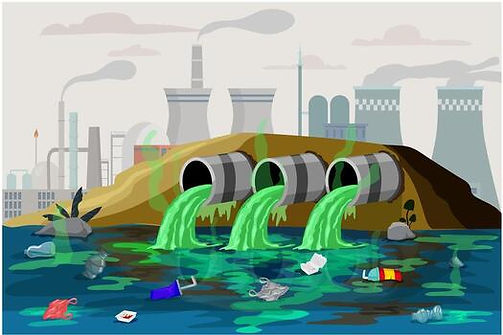
Throughout history, an issue that has endured over time—as shown in the documents—is polluted and unsustainable water quality. This issue is an alarming problem as it can affect healthy ecosystems, environments, and humans. Polluted water can lead to diseases, the death of many sea-based creatures, and hindered living conditions. This has been a prevalent issue in the past and is still prevalent today, as many places in Africa don't have access to safe drinking water. This issue even dates back to the first Industrial Revolution in Great Britain, where due to innovations such as railroads and steamships powered by water (since Britain was near the coast), it led to the pollution of their drinking water they could get from their rivers. Ultimately, throughout history and into the modern era, societies have repeatedly sacrificed long-term water sustainability for short-term economic, agricultural, and urban growth, severely affecting human health and local communities.
Document 1 discusses the origin of a waterborne disease known as cholera. Document 1 states, "Although the cause of cholera was a subject of debate, it was agreed that the polluted River Thames, where the people of London drew their drinking water from, was to blame." This indicates how having ineffective and unsanitary water can adversely affect the health of certain populations. This biological crisis was directly triggered by the Industrial Revolution, which caused rapid urbanization as factories drew thousands of workers into overcrowded cities. This rapid population growth, combined with the technological inception of the indoor water closet, resulted in households producing massive amounts of extra waste daily. Because local governments were disorganized, authorities simply mandated that house drains be connected to municipal sewers, which emptied raw, unfiltered sewage straight into the River Thames, effectively turning London's primary waterway into an open sewer.
This tragic nineteenth-century cycle deeply mirrors the ongoing public health crisis seen today in modern-day India, where the Ganges River poses a threat to human life and the environment. This severely polluted water, made of chemicals, waste products, toxins, debris, and even human remains, brings about hygiene concerns—especially considering the fact that people are actually bathing in this water. Due to the grand size of the Ganges River, it contaminates other water sources where water is being utilized for daily necessities such as cleaning, drinking, cooking, and other basic human tasks where access to water is crucial. For decades, rapid modern urbanization and population booms along the Ganges basin have far outpaced the region's sewage treatment capabilities, proving that when infrastructure fails to keep pace with urban growth, human populations suffer the exact same deadly biological consequences across centuries.
Beyond biological pollution, the enduring water crisis is severely exacerbated by human activities that cause extreme water scarcity and the depletion of finite underground water sources. Document 4 illustrates this disruption through an Indian farmer who stopped growing crops to "farm water," drilling deep boreholes to pump out underground water 24 hours a day to sell to tankers for a quick profit. The historical context behind this phenomenon lies in the Green Revolution of the mid-to-late 20th century. In an effort to combat widespread famine, India implemented an agricultural revolution utilizing high-yielding crop strains that successfully allowed the country to produce enough food to feed its people. However, this stability was built on "borrowed water and borrowed time," requiring massive, unsustainable irrigation drawn from underground aquifers that nature cannot replace. As a result, giant natural reservoirs are being emptied far faster than the rains can refill them, causing global water tables to collapse and mining water that should be the birthright of future generations.
This dangerous exploitation of underground water resources is actively repeating itself today in California’s Central Valley in the United States. To maintain massive commercial agriculture during intense droughts, mega-farms are drilling deeper industrial wells to mine underground aquifers. Just like the agricultural crisis in India, this unchecked groundwater pumping has caused local water tables to drop drastically, leaving nearby residential community wells completely dry and forcing families to rely entirely on bottled water. This ongoing modern conflict highlights the exact reason why governments are forced to step in with sweeping environmental legislation. In the United States, historical degradation of national resources led to the creation of the Environmental Protection Agency (A) and the passage of the Clean Water Act, which were established precisely to regulate corporate exploitation, mandate water quality standards, and legally protect vital underground aquifers from being permanently depleted by industrial and agricultural greed.
Similarly, Document 2 showcases how when nations prioritize rapid industrial development, the chemical contamination of vital waterways inflicts an equally devastating toll on human communities. Document 2 highlights this emergency along China's Yellow River, where paper mills and hundreds of factories have routinely dumped untreated chemical waste into the river's tributaries, turning the water toxic shades of maroon, red, and white. According to Document 5, this reflects a massive global crisis, as industrial operations dump an estimated 300 to 400 million metric tons of heavy metals, toxic sludge, and waste into global waters every year, ensuring that aquatic biodiversity is degraded more than any other ecosystem on Earth. The historical context for this destruction is China’s "breakneck industrial growth" over the last three decades. In its ruthless race to become a global economic superpower, traditional trading posts were rapidly transformed into massive petrochemical hubs. This unchecked industrial growth completely ignored ecological limits, displacing ancestral nomads and giving rise to heavily suffering "cancer villages" near the river deltas where local populations are poisoned by toxic water.
This global degradation of aquatic ecosystems by industrial giants is powerfully illustrated by the 2010 BP Deepwater Horizon oil spill in the Gulf of Mexico. Triggered by a corporate explosion on an offshore drilling rig, millions of barrels of toxic crude oil gushed into the ocean, acting as a massive, catastrophic acceleration of the "industrial waste" warned about in United Nations data. Just as everyday industrial dumping disrupts ecosystems, the BP disaster coated thousands of miles of shoreline in toxic sludge, decimated marine biodiversity, and completely devastated the livelihoods of local fishing and coastal communities who depended on clean water for survival. This modern ecological disaster underscores the terrifying accuracy of Document 5: whether through daily factory runoff or immense corporate accidents, unchecked industrial reliance on fossil fuels continuously threatens the balance of the world's water resources.
In response to these ongoing industrial crimes, modern citizens have been forced to initiate grassroots movements to safeguard their communities' health. In China, environmental activists are fighting back by capturing GPS data of illegal factory dumping and uploading it to web-based "pollution maps" to shock the world and force government accountability. This mirrors ongoing grassroots efforts in places like Niassa, Mozambique today, where Document 3 explains that environmentalists have implemented low-cost, sustainable, brick-lined "EcoSan" portable bathrooms that safely compost waste into agricultural fertilizer, preventing human bacteria from infiltrating local groundwater supplies. Whether using internet-mapping technology in China or ecological sanitation systems in Africa, modern communities are actively proving that local civic action is required to defend the basic human right to clean water against industrial neglect.
In conclusion, the scarcity, depletion, and pollution of water resources remains one of the most critical and unresolved enduring issues facing humanity. Across time and geography, human societies have consistently exploited vital freshwater and marine ecosystems to fuel rapid urban, agricultural, and industrial progress. From the cholera-ridden streets of Victorian London to the collapsing aquifers of India and the chemical-laden rivers of China, the historical record demonstrates a tragic pattern of prioritizing short-term economic gains over long-term environmental sustainability. The terrifying accuracy of the United Nations data in Document 5 proves that this crisis is aggressively ongoing, with 1 in 9 people still lacking clean drinking water and 3.5 million people dying annually from poor sanitation. Furthermore, catastrophic events like the BP Deepwater Horizon oil spill show that modern industrial negligence continues to push aquatic biodiversity to the brink of collapse. While localized grassroots initiatives—such as the composting latrines in Mozambique and digital pollution-mapping in China—offer vital blueprints for survival, the issue will continue to endure. Ultimately, if modern nations do not implement strict regulatory frameworks like the Clean Water Act globally and balance economic ambitions with aggressive environmental preservation, humanity will face catastrophic resource collapse for generations to come.